
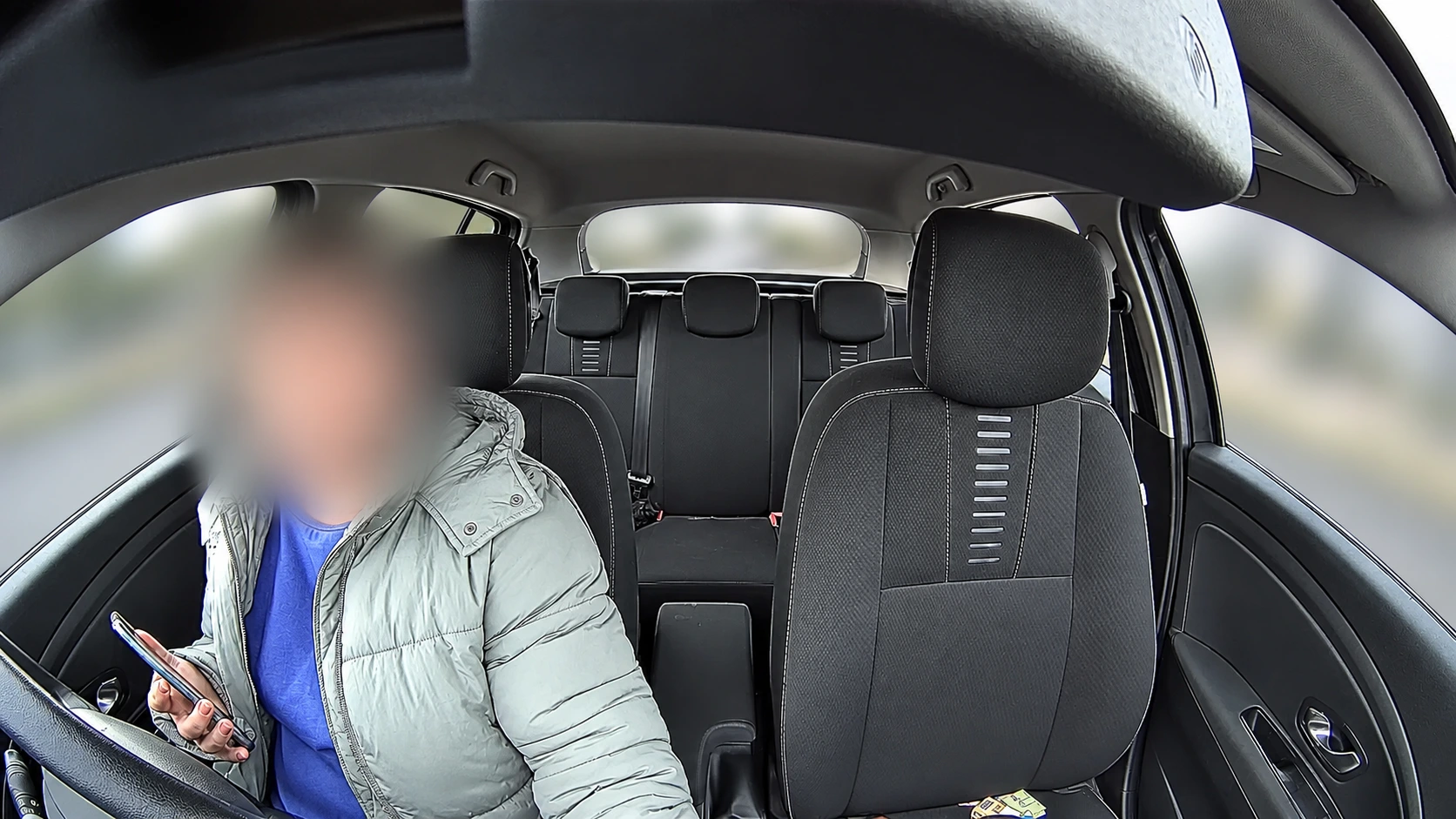
In 2022, 22% of drivers who lost their lives in collisions were over the legal alcohol limit. Even more alarming, 19% tested positive for impairing drugs, including illegal substances, prescription medications, and over-the-counter drugs.
MANTIS supports Driving for Better Business on this. What follows is the part that matters to an employer.
The morning after is the problem
Most enforcement catches people who knew they had been drinking. The cases that catch out professional drivers are different. A driver who stopped at eleven and starts a shift at six can still be over the limit, and will not feel it.
Drugs stay in the system longer and are harder to judge. Prescription medicines are the awkward category, because a driver taking them exactly as instructed can still be impaired, and usually has not thought to ask.
Where the employer’s duty sits
If your drivers are on the road for you, their fitness to drive is your concern. In practice that means a written policy, a testing regime somebody actually runs, and a way for a driver to say they should not drive today without it costing them.
Alco-locks, which require a negative test before the ignition works, are becoming more common. So is random testing. Neither works without the third thing, which is a driver who believes that saying “not today” is safer for them than saying nothing.
The penalties
A twelve-month ban, a criminal record, an unlimited fine and, in the worst cases, prison. For a professional driver, a ban is the job.
What to do about it
Talk to your drivers about the morning after rather than the night before. That is where the exposure is, and it is the part most drivers have never been warned about.
If you think a colleague is driving impaired, say something. It is a bad conversation and a worse alternative.