1 to 24 cameras
per van, configuration dependent

VANS AND LCVS
A field service van is driven by somebody hired for the trade, not for the road. No CPC, no fleet induction, thirty thousand miles a year between jobs, and a toolbox on wheels parked on a residential street six times a day. RECON covers the drive, the van and the visit.
Built for UK and Ireland field service and utility fleets: panel vans, crew cabs, Luton bodies, pickups and the occasional 7.5-tonne.
1 to 24 cameras
per van, configuration dependent
Live camera health
MANTIS Health checks every camera, every day
One subscription
hardware, software and a five-year warranty, subject to eligibility
Camera count, load-area views, night vision and AI detections depend on configuration. Assistance supports driver judgement; it does not replace it or guarantee prevention.
WHY VANS
A van fleet carries the road risk of any commercial fleet with almost none of the driver training, and it carries thousands of pounds of tools to a different residential street every hour. More than a quarter of UK van drivers had tools stolen in a single year.
Sources. Direct Line tool-theft report, 2024: 28% of UK van drivers had tools stolen during the year, at an average loss of £2,433 per theft. British Safety Council, 2024: around 8 million people in the UK work alone, roughly a quarter of the workforce. Both figures describe the UK market rather than MANTIS customer outcomes, and neither is a forecast for any individual fleet. RECON is a collision prevention and evidence system; it does not replace a safe system of work, a lone-working procedure or driver training.
WHERE A VAN FLEET ACTUALLY LOSES MONEY
A forward-facing camera points at the one part of the working day that rarely produces a bill. Everything below happens below ten miles an hour, at the kerb, or on somebody else’s driveway.
No CPC, no fleet induction, no defensive driving course. A skilled person doing thirty thousand miles a year under time pressure, thinking about the next appointment rather than the junction. The exposure is real and it stays invisible until it costs you.
Tools, parts, test equipment, diagnostic kit. Thefts happen in daylight on residential streets and overnight outside the engineer’s house. The van gets replaced. The three weeks of lost jobs and the engineer’s own tools do not.
Field service works in the tightest environments any fleet operates in. Driveways, cul-de-sacs, verges, roadside working. Low-speed damage to customer property is common, expensive, and always disputed.
Attendance disputes hold up invoices and breach service levels. A location ping says a vehicle was in the area. It does not show an engineer at the door, an access attempt, or a locked gate.
Lone working carries a duty of care that a job sheet does not discharge. When an engineer goes quiet in a rural area or a difficult property, a way to check is the difference between a policy and an answer.
Every mile between appointments is exposure. Without footage a contested claim is decided on whoever gives the better statement, and your engineer is at work rather than taking notes at the roadside.
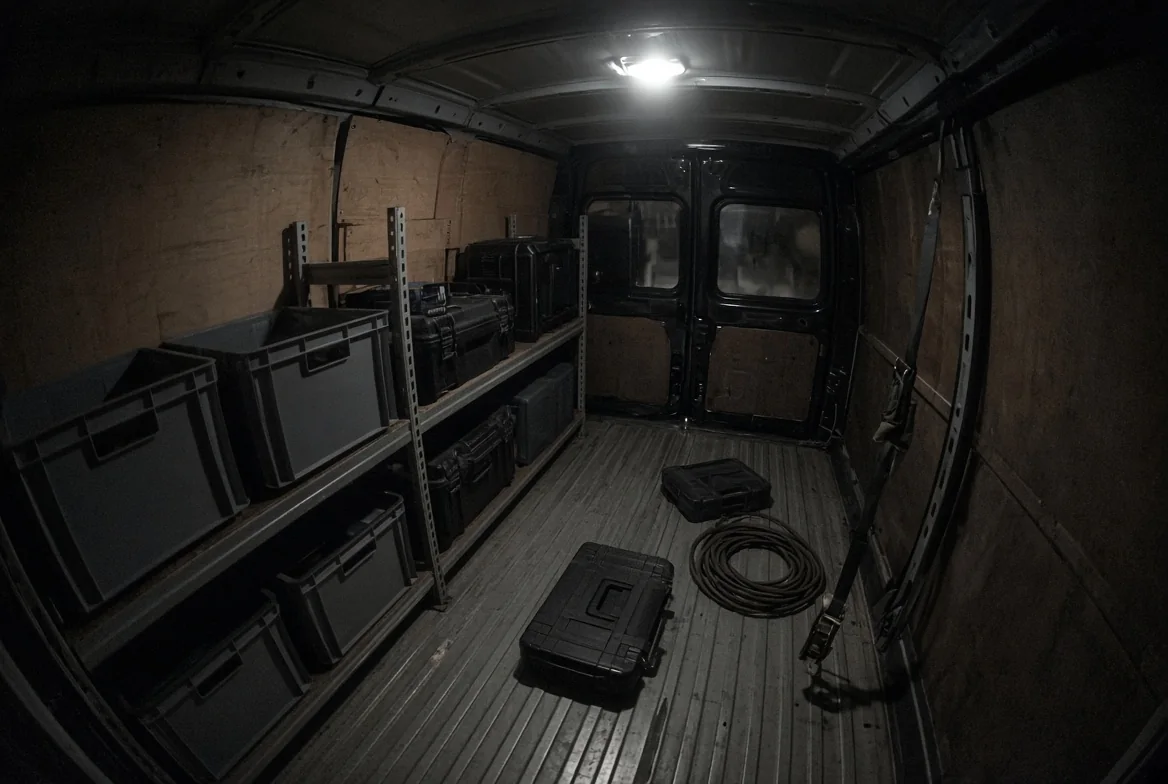
CAMERA COVERAGE
A van configuration covers the road ahead, the nearside where the kerb and the gatepost are, the rear for reversing off a driveway, and the load area where the tools live. An in-cab monitor for reversing is an option, and the driver-facing camera can be left out or deactivated where a fleet decides that is the right call.
Camera positions, counts and AI detections depend on the configuration selected for each van and its racking layout. Deactivating the driver-facing camera and any geofenced recording control are agreed at the installation survey. A single forward camera is not a field service configuration.
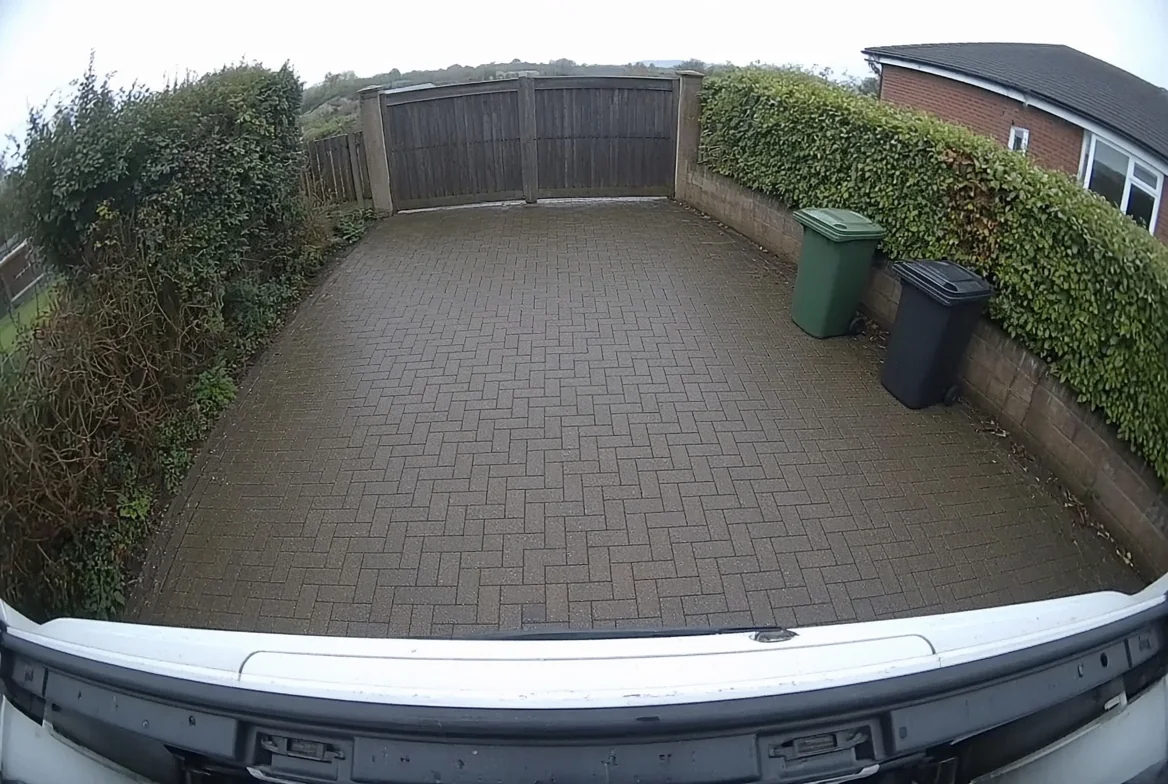
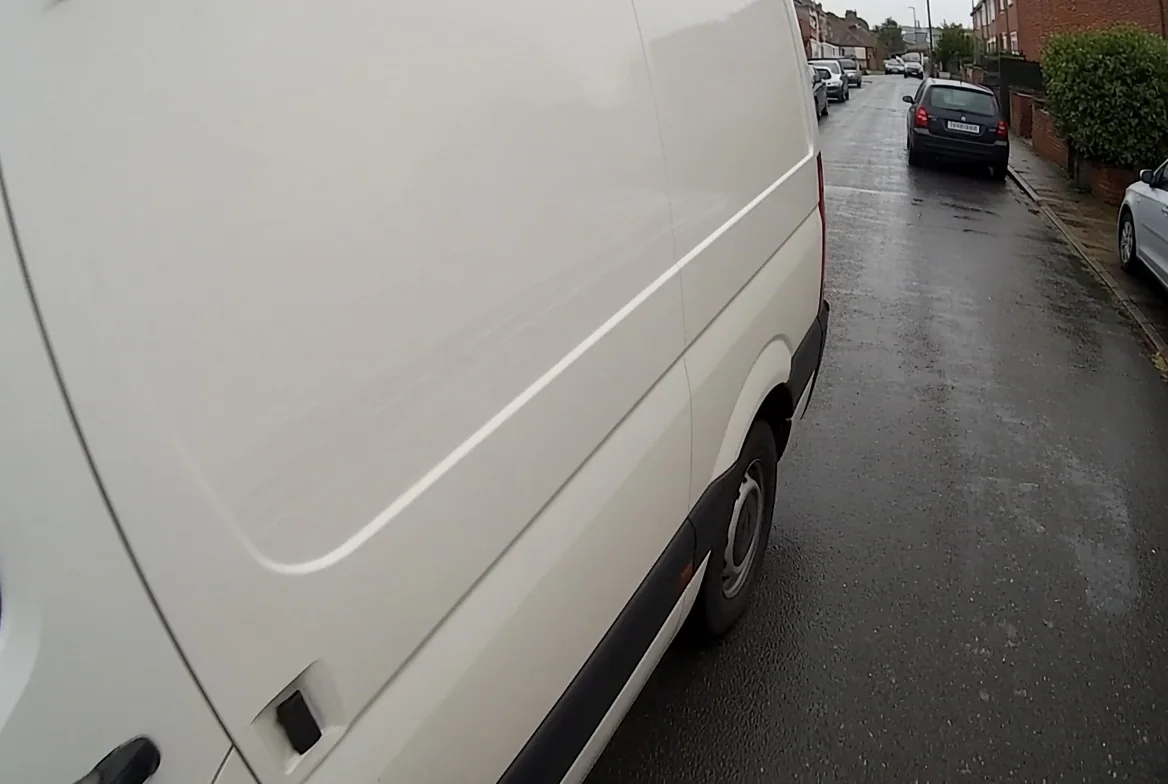
RECON ON THE ROUND
The same three streams as the rest of the MANTIS platform, tuned to a driver who has never been coached on driving and a manager who never sees the vehicle.
Harsh braking, cornering and acceleration events arrive with the video attached, so a manager sees the driving behind the number rather than a league table. Scores are relative comparisons that tell you where to look first. They are not a forecast that a collision will happen, and a harsh brake is often the right decision.
In-cab assistance flags supported risks to the driver as they happen, which for somebody who has never had driver training is the first useful feedback they have had on their driving. Assistance supports the driver’s judgement and your safe system of work. It replaces neither, and it does not guarantee prevention.
When a customer says nobody turned up, or that the van marked the driveway, the Evidence Centre pulls footage from every camera around that moment with location and time alongside. On Demand retrieval typically returns a clip in minutes, subject to power, connectivity and retention settings.
Risk scores in RECON examples use demo data. Review the footage, the context and the driver’s account before drawing a conclusion, and never let a score alone decide an employment, underwriting or liability outcome. Retention of three to four months is available depending on configuration; recording, power, connectivity, retention, clip length and quality all apply. MANTIS does not guarantee premiums, settlements, admissibility or legal outcomes.
MANTIS HEALTH
Nobody walks a van yard. The vehicles go home at night, the engineers do not report a fault they cannot see, and a camera can sit dead for a month before anybody finds out. MANTIS Health emails a report to the people you nominate every morning covering video loss, memory faults and vehicles that have gone offline, and raises a support case automatically when a memory fault is critical.
Offline is not proof of camera failure, and monitoring alone does not guarantee useful recording or retrievable footage. A dirty or obstructed lens is not always visible to a health check. Warranty replacement excludes installation.
RECON / HEALTHPlatform conceptKnow what works. See what needs action.
Daily report and case follow-up in one view.
Check cable and camera connection. Account manager coordinating the response.
WHAT A VAN FLEET ANSWERS TO
A van fleet is regulated more lightly than an HGV fleet and scrutinised more heavily by its own customers. Both of those shape the configuration.
A procedure is not the same as a way to check.
There is no single lone-working regulation in the UK; the duty sits inside the general obligation to assess and control risk, and HSE guidance expects a way of keeping in touch with people working alone. Live view lets a manager look in on an engineer who has gone quiet, wherever there is usable signal, which is a control you can act on rather than a line in a policy.
Live view depends on power and network coverage at the vehicle. It is one control inside your own lone-working arrangements, not a substitute for them, and MANTIS does not certify compliance with any HSE guidance.
Some sites will not let you record. The van can know.
Schools, custodial estates, defence sites and airports routinely refuse vehicles carrying cameras. Geofenced recording control disables recording inside a defined perimeter and resumes on exit, with no driver action and nothing for anybody to remember. A camera that cannot be switched off is a contract problem; asking a driver to switch it off is the same problem with an extra step.
Geofenced recording control is configured for your sites at the installation survey. Confirm the arrangement your own customers require, and that it satisfies their site rules, before relying on it for site access.
MANTIS AS A SERVICE
No capital purchase, no separate data plan, no argument about who owns a failed camera. Available through a MANTIS channel partner.
QUESTIONS FROM FIELD SERVICE FLEETS
If yours is not here, put it in the form and a solutions engineer will answer it directly.
GET A FLEET RISK ASSESSMENT
Tell us about the fleet: van models, racking, the sites you attend and whether any of them prohibit recording. We will build the assessment around your configuration and the telematics platform you already run.
BRING YOUR FLEET. BRING YOUR QUESTIONS.
Let’s demonstrate the camera views, health checks and evidence workflow your operation actually needs.
Get a fleet risk assessment