A claim that arrives weeks later
Pull the road and side views for that trip once the truck is back in signal. A lease road with nothing else on it still produces third-party claims.

MANTIS FOR OIL & GAS
Fuel and propane tankers at the station, crude and vacuum trucks on the pad, and lease roads where the nearest witness is the truck behind. Build the camera coverage around the delivery and the site work, not only the drive in, and plan retention for the days a vehicle is out of signal.
Build the view for your fleet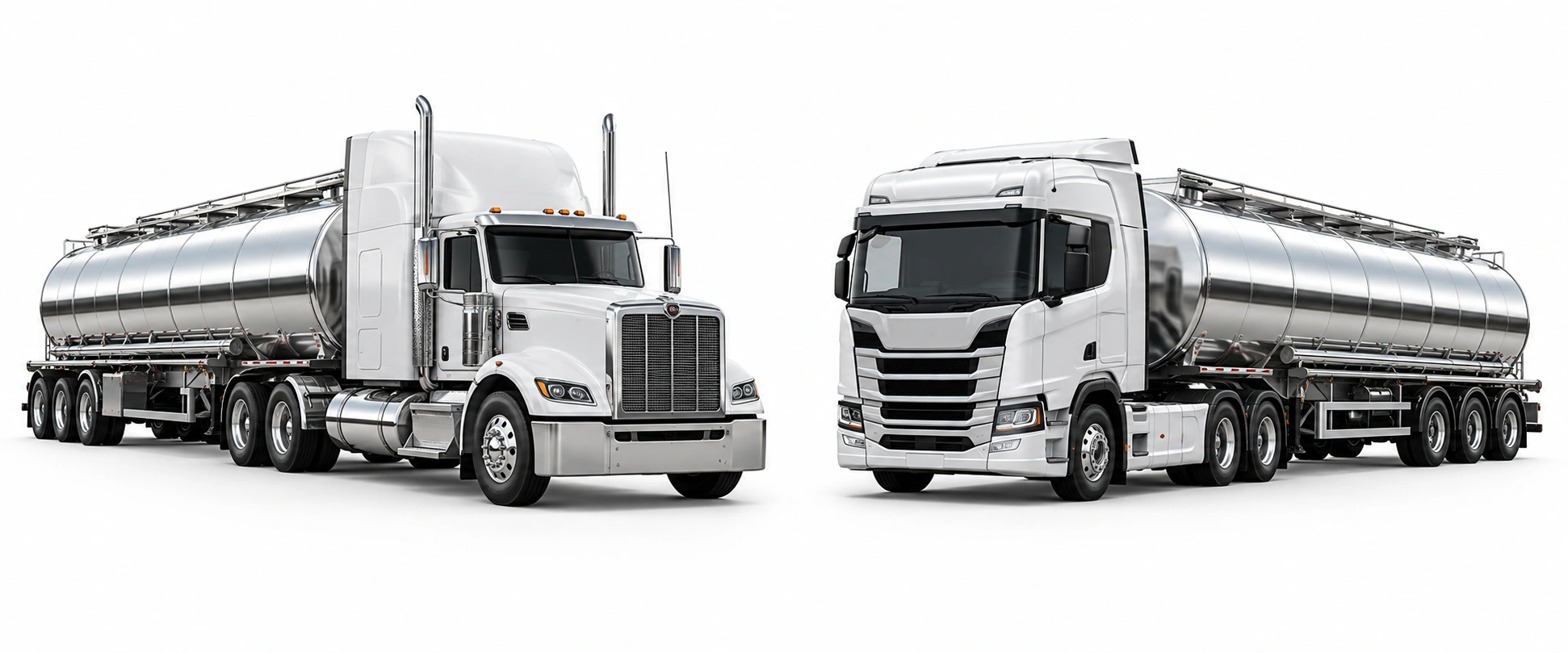
Fuel and propane tankers, crude and vacuum trucks, service and crew trucks and oilfield support fleets
THE QUESTIONS THAT MATTER
Pull the road and side views for that trip once the truck is back in signal. A lease road with nothing else on it still produces third-party claims.
Put the transfer area beside the approach, so the hoses, the fill point and the space around the truck are in the record rather than only the drive in.
Show the camera coverage, the health-check process and the retention window you actually operate, rather than the policy that describes them.
CAMERA PLACEMENT WITH A PURPOSE
Power to the cameras can be isolated from the cab, so the driver shuts the system down before connecting and nothing on it is live through the transfer. The switch and its wiring are specified for the vehicle at the installation survey.
Explore multi-camera systemsCamera and recorder placement, and the power isolation above, are agreed for your vehicles at the installation survey. Isolating the cameras is a control, not a rating. It does not make the equipment suitable for a classified or hazardous area, which needs its own assessment, and standard MANTIS cameras are not offered as explosion-proof. An isolated system is not recording, and your own loading and discharge procedure governs when to isolate it.
RELIABILITY BEHIND THE VIEW
BRING YOUR FLEET. BRING YOUR QUESTIONS.
Let’s demonstrate the camera views, health checks and evidence workflow your operation actually needs.
Get a fleet risk assessment