The cab
A screen stuck to the dash on an adhesive pad. It drops in the first hot week, and the cable behind it ends up in the driver’s footwell.

INSTALLATION AND SUPPORT
Every MANTIS system is fitted by a MANTIS-certified installer to one standard. Cables are routed, sealed and labeled, screens go where the driver already looks, and the trailer connection is one nobody can plug in wrong.
WHERE CAMERAS FAIL
Nobody notices a chafed lead until the morning the clip is missing. How a system is fitted decides how often that happens.
A screen stuck to the dash on an adhesive pad. It drops in the first hot week, and the cable behind it ends up in the driver’s footwell.
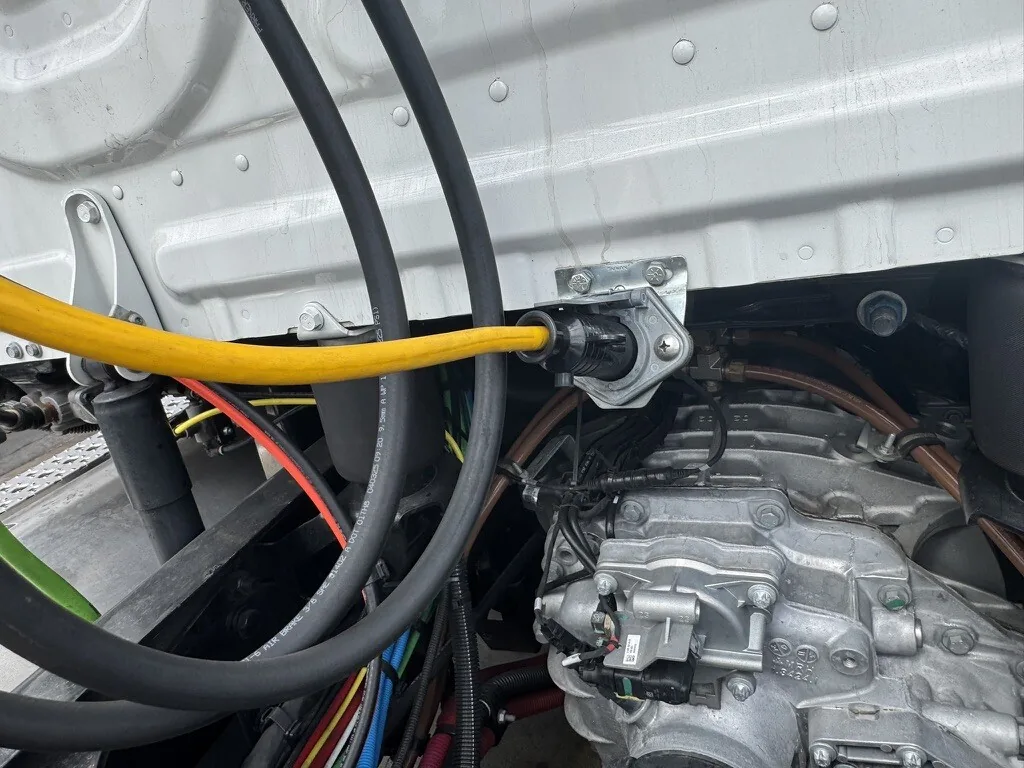
A harness cable-tied to an air line. Months of vibration later it has rubbed through and the side camera has gone dark.
A trailer lead that fits the wrong socket. In the dark and in a hurry, a lighting lead goes into the camera socket.
HOW WE FIT
Cables run behind panels and along the vehicle’s existing looms, with a grommet wherever they pass through metal.
Connectors are sealed and placed where the wash-bay lance and road spray do not reach.
The next technician can tell which lead feeds which camera without pulling a panel.
Every camera is checked recording in RECON before the installer signs the vehicle off.
Fitted at your yard on a rolling schedule, with no change to your existing telematics installation.
WATCH AN INSTALL
FROM A FLEET WE FITTED
“We recently worked with the team at MANTIS to install their multi-cam system on trucks in our fleet. Great communication and teamwork on getting this project executed. The team was very responsive and proactive to our feedback and worked with us throughout the process to ensure we were satisfied with the end product.”
CONFIGURATIONS
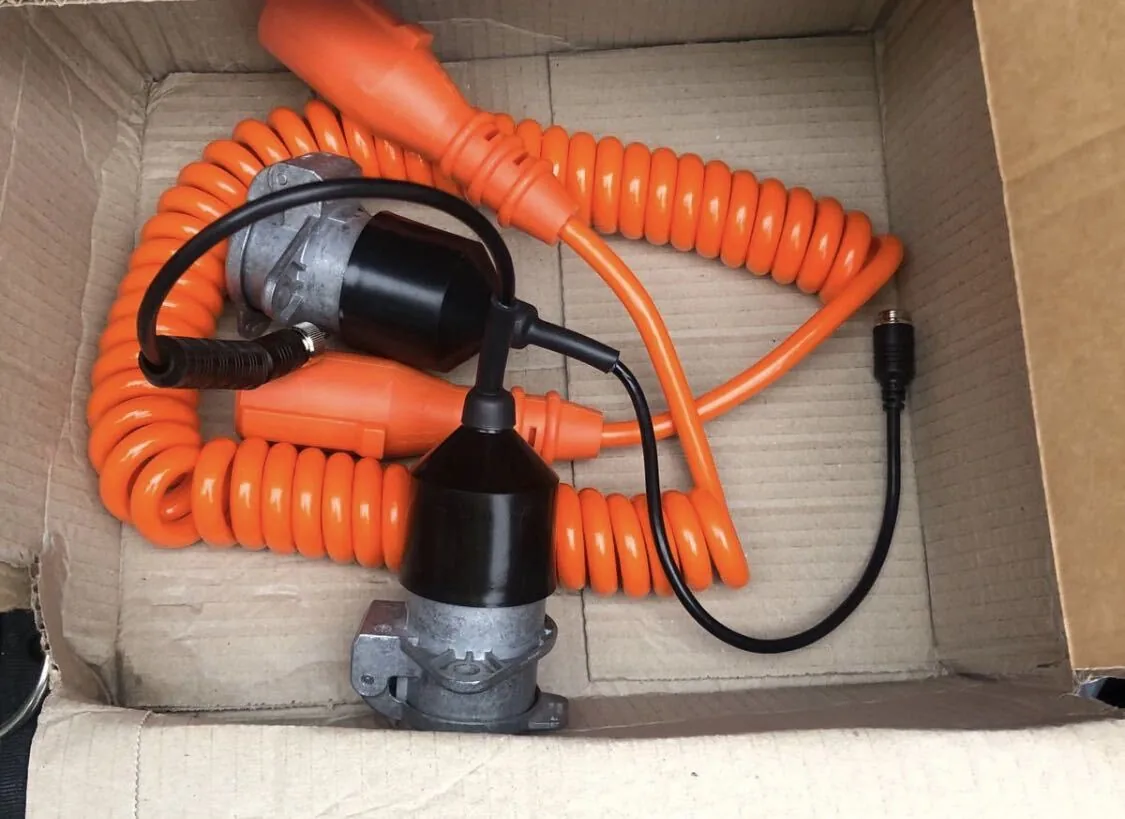
A coiled trailer lead that only fits a camera socket.
The side camera, shown where the driver already looks to check the mirror.
Heated dome cameras inside the box, rated IP67.
Coverage of the passenger side, the rear and the load, for the moments the mirrors miss.
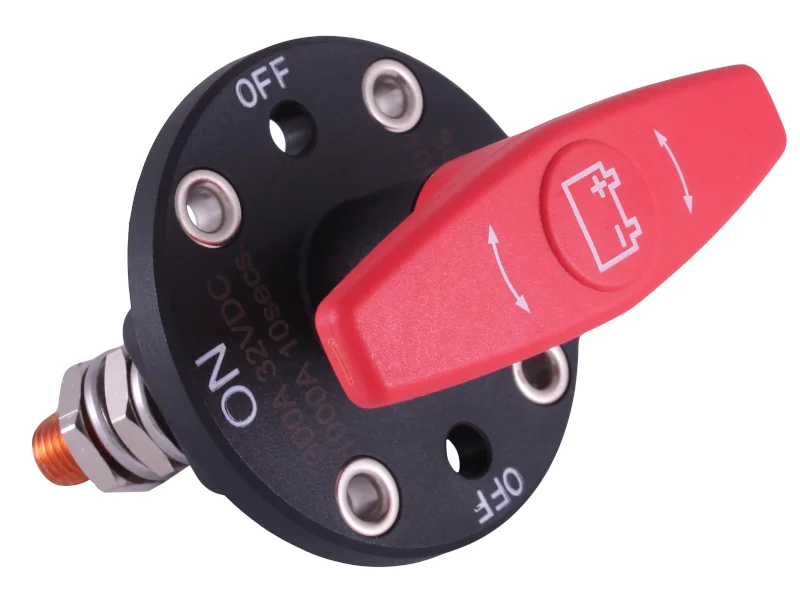
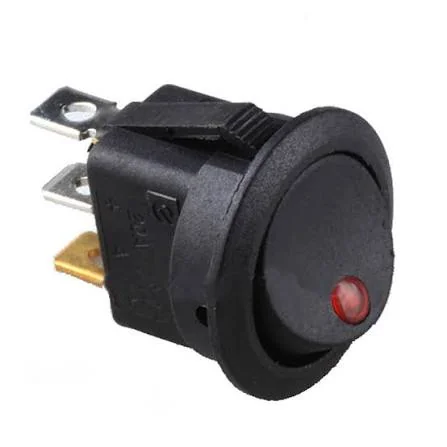
One switch that cuts all power to the camera system.
Bring your vehicle types and your trailer mix, and we will suggest how to fit them.
SUZI CABLES
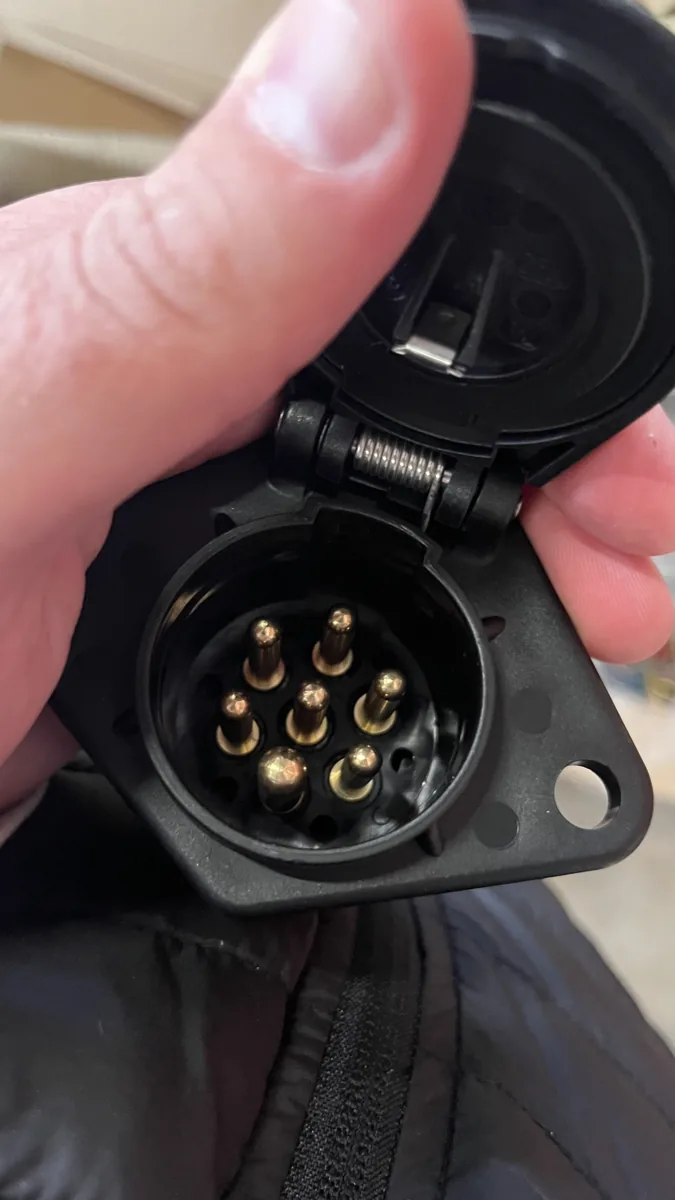
A standard 7-pin 24N suzi, the kind used for trailer lighting, has its large pin at the top, and pin 1 is solid.
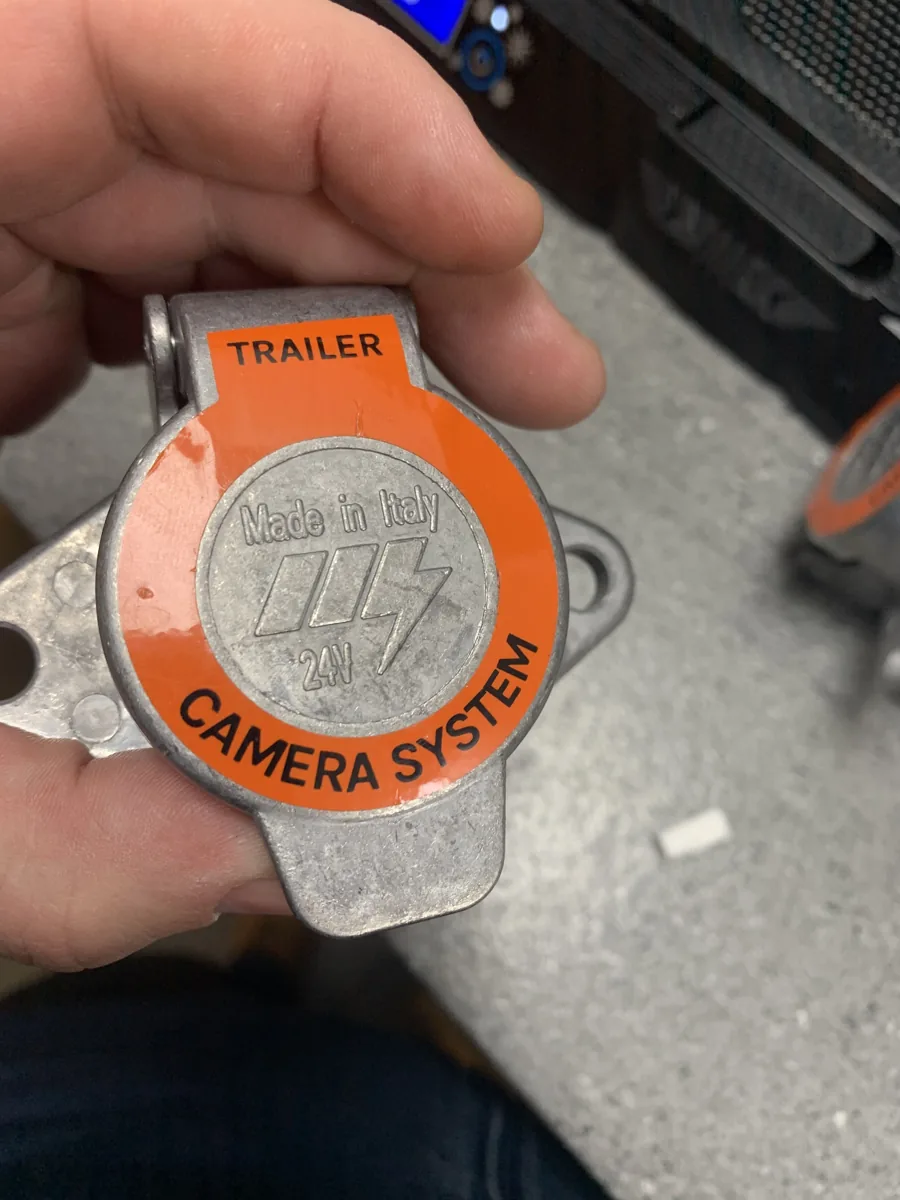
The MANTIS camera suzi is inverted. The large pin sits at the bottom and every pin is hollow. The coil and its sockets are orange, so the driver can tell it apart from the lighting lead at a glance.
A lighting lead will not go into a camera socket, for two reasons. The solid pin will not seat, and the large pin is in the wrong place.
Nothing gets damaged by a wrong connection, and the trailer cameras are recording when the vehicle pulls out.
Standard lighting suzi
MANTIS camera suzi
Orange coil, 7 core, 4 m.
An orange camera socket on the back of the cab, wired to the recorder with a camera lead, usually 7 m.
The orange coil stays plugged into the tractor socket and couples to the trailer’s orange socket like any other line.
A lead, often 19 m, runs from the trailer socket to the rear camera. Sockets come single, double or triple for more trailer cameras, and every lead is cut to suit the vehicle.
| Fixed harness | Wireless link | MANTIS camera suzi | |
|---|---|---|---|
| Tight turns | Must be left slack, and slack snags | No cable to stretch | The coil stretches and pulls back |
| Swapping trailers | Tied to one pairing | Needs pairing and its own power on the trailer | Couple it to the orange socket like any other line |
| Wrong connection | Possible wherever plugs match | Not applicable | Physically blocked by the pin layout |
| Damage | Re-run the harness | Diagnose the link, then the hardware | Swap the coil or either socket; the camera leads behind them are standard |
A-PILLAR SCREENS
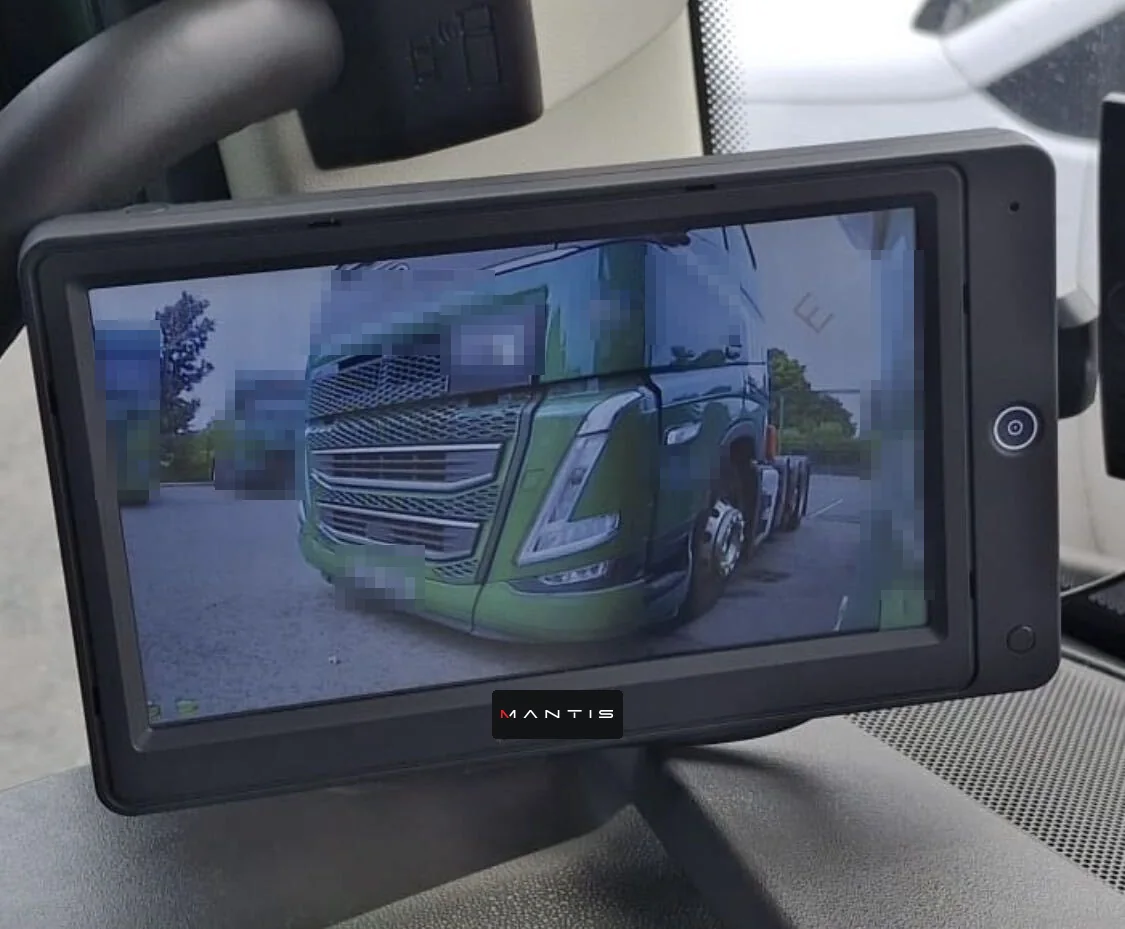
When a driver checks the passenger-side mirror, their head is already turning toward the A-pillar. A screen mounted there shows the side camera in the same glance, so they are not looking down at the dash mid-turn.
Screens can be fitted on either A-pillar. They are 7-inch as standard, with a 10-inch version on request.
REFRIGERATED TRAILERS
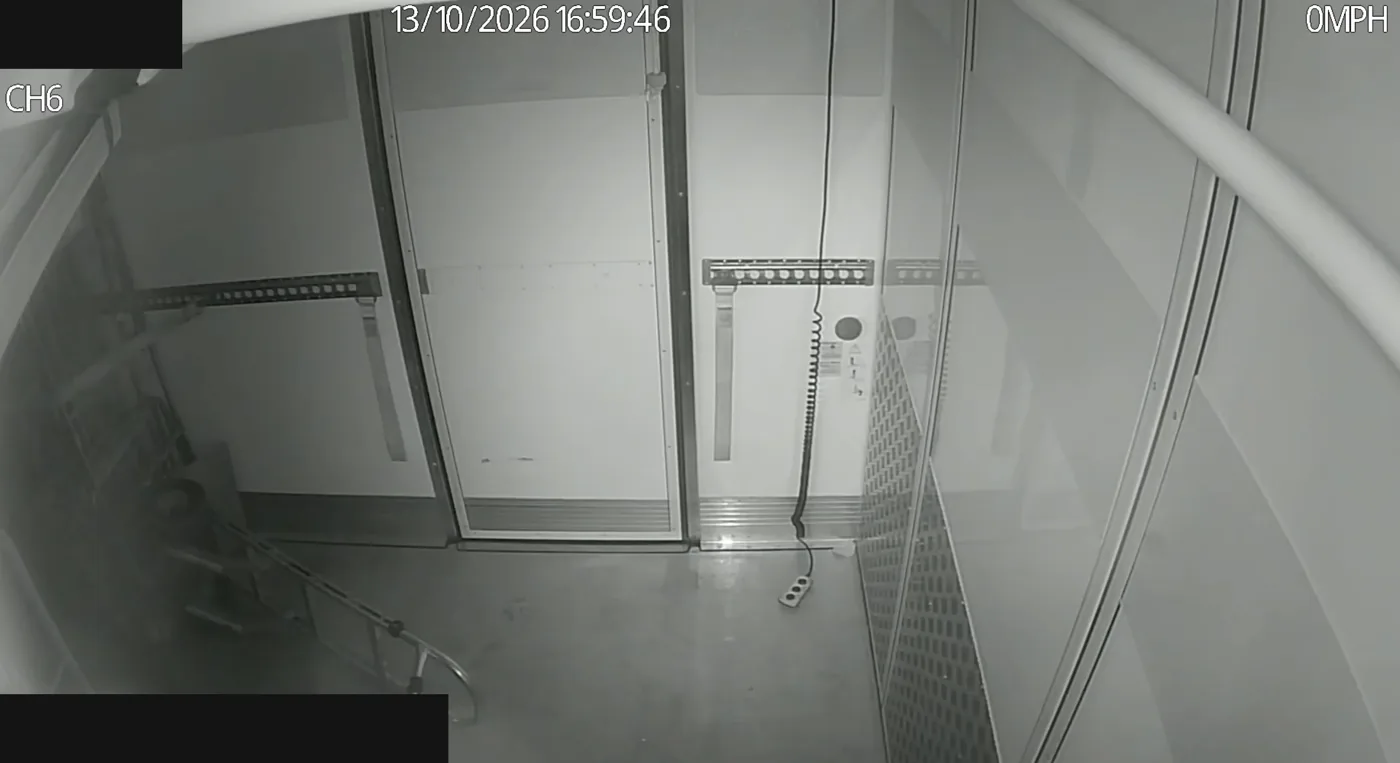
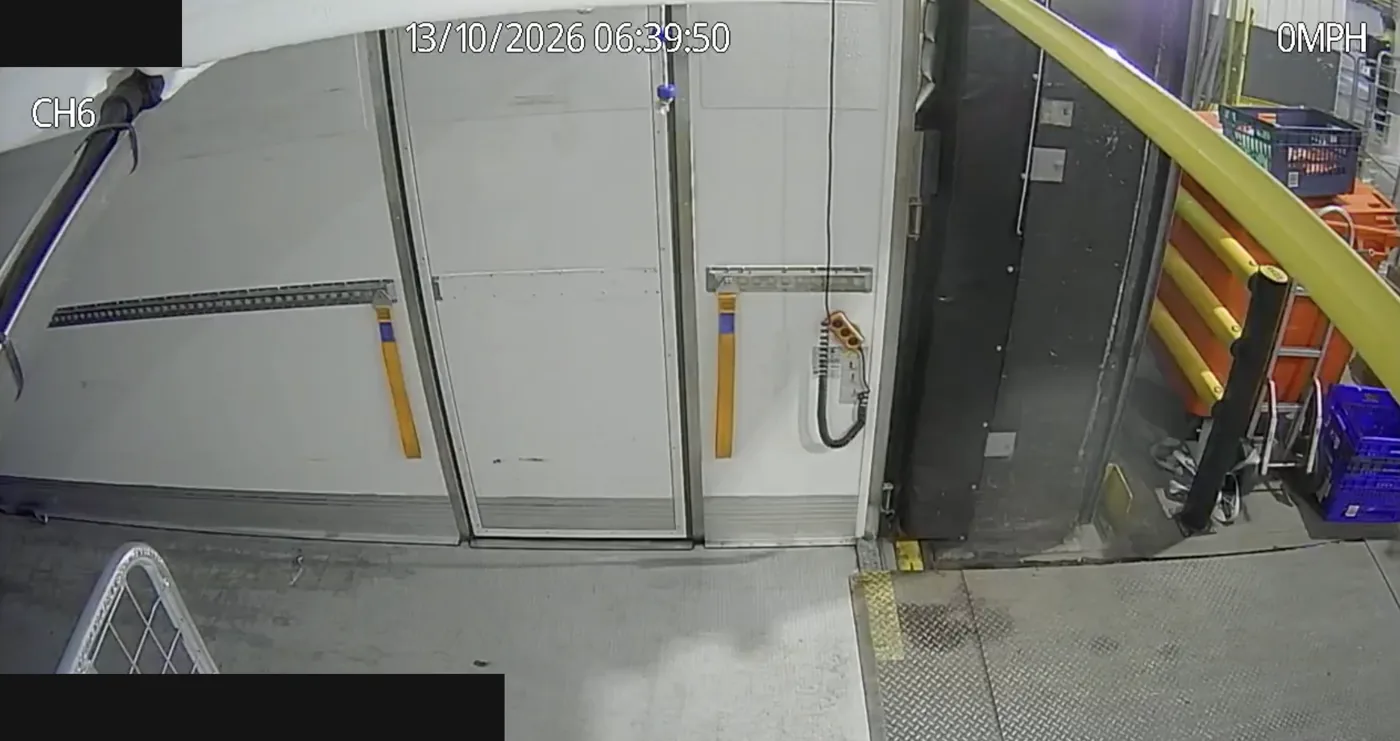
Inside a refrigerated trailer it is cold, and condensation forms every time the doors open. The load-space camera is an internal dome camera with a built-in heater for both.
It is rated IP67 and runs from −40 °F to +158 °F.
Even with the doors shut and the box in near darkness, the camera still shows the load space clearly.
When a receiver says the pallets arrived collapsed, you can show how they were stacked when the doors closed.
AROUND THE VEHICLE
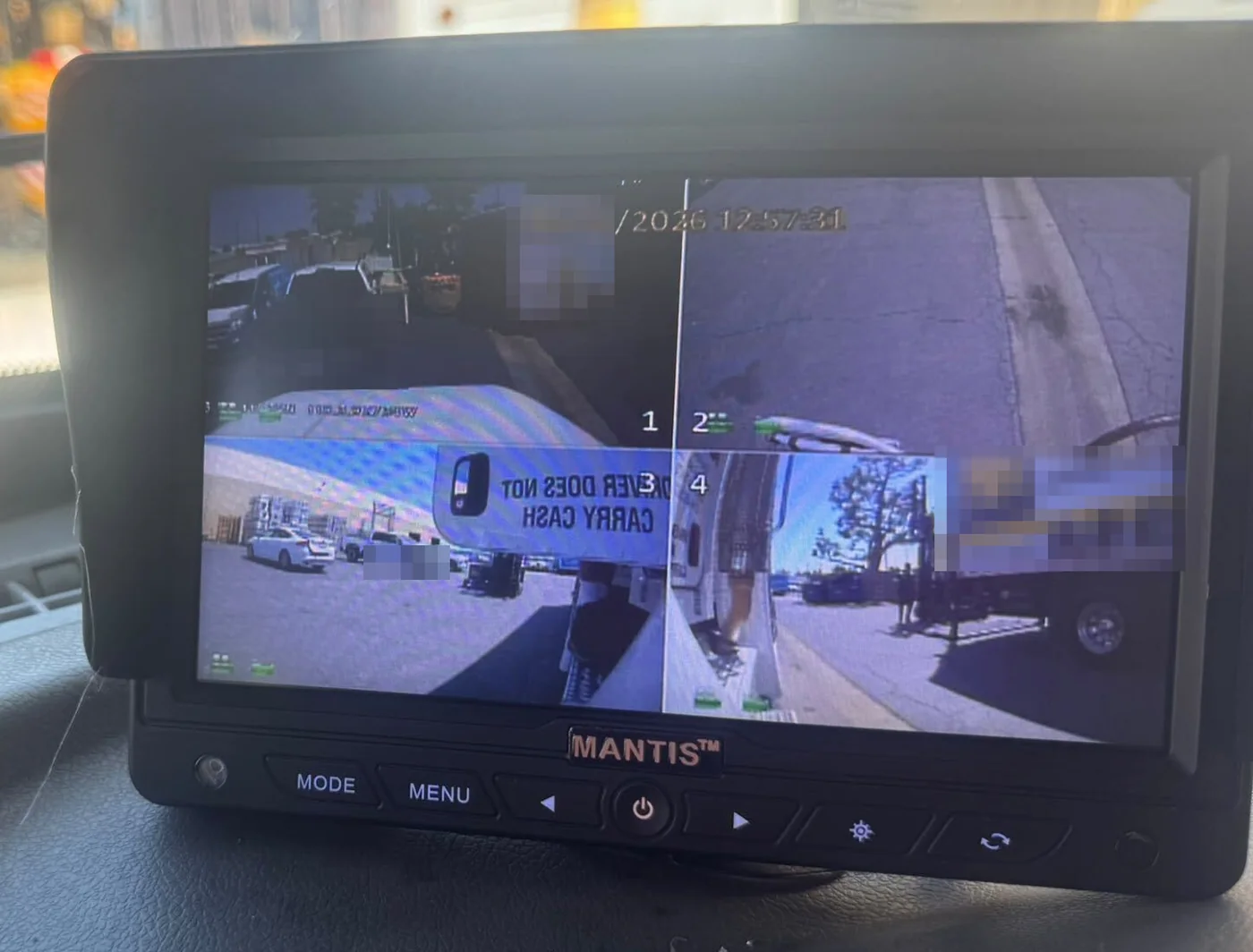
Side cameras cover the passenger side at intersections and in tight yards. A rear camera covers the space behind the vehicle when it is backing up, and a load-area camera shows the load.
Each one is routed and sealed to the same standard as the rest of the system.
FUEL AND HAZARDOUS LOADS
On a tanker, MANTIS fits a safety isolation switch in the cab: a standard rocker switch or a rotary isolator that disconnects all power to the camera system. One action turns off the recorder, every camera and every screen.
There is nothing to unplug and nothing to check camera by camera.
SUPPORT
Agree the survey, installation, commissioning and support process around the vehicles, sites and teams you operate.
Confirm channel locations, monitor sightlines, power, connectivity and supported vehicle signals.
Test recording and retrieval, demonstrate in-cab views, and nominate health-report recipients.
Set out fault escalation, replacement and installation responsibilities before rollout.
TALK TO THE TEAM
Bring your vehicle types, your trailer mix and any site rules.