
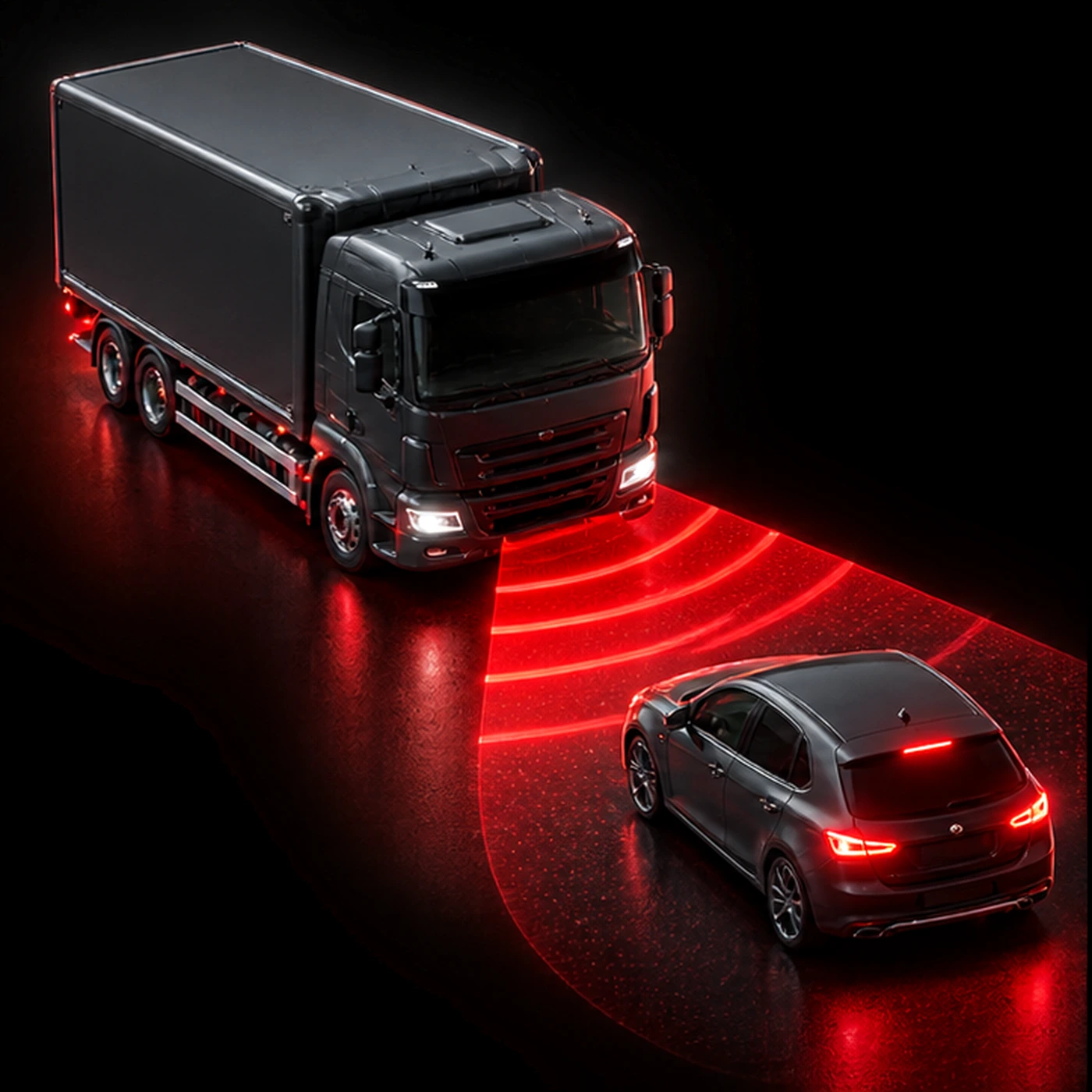
AI on a vehicle camera is not one thing. It is three, and they are worth separating, because they fail in different ways and are worth different amounts to you.
Fitting
A camera system goes on any vehicle, whatever the make. An engineer does the install, and you can have an in-cab monitor if the vehicle or the driver benefits from one.
The reason it matters on larger vehicles is visibility. According to data from the “Great British Fleet Event,” over one in ten (12%) drivers have experienced incidents while parked. Government data from 2022 recorded 17 fatal road collisions in which blind spots were a factor. Out of 929 collisions that resulted in injuries, 1.8% were fatal.
Those are the situations a driver cannot see from the seat, which is the whole argument for putting cameras where the mirrors are not.
Detection, and what an alert is worth
The camera reads the cab and the road and raises alerts: a pedestrian close in, a hard brake, fatigue, phone use. It also reports on itself, which is the one most people overlook until the day footage is missing.
An alert is a prompt to look, not a finding. Its value depends entirely on whether the footage behind it arrives quickly enough for someone to act.
What it changes in practice
Coaching from footage rather than from a report. Evidence in an insurance claim that does not depend on anyone’s recollection. Live view of a vehicle when something is happening rather than after.
Thanks to the MANTIS vehicle CCTV system, our customers have reported a reduction in daily incidents by 20% to 40%.
Where to be careful
Detection is configuration-dependent. Which detections run, and how well, depends on the cameras fitted and the vehicle they are fitted to. Nobody should tell you otherwise, and a system that claims to catch everything is describing a demo rather than a depot.
Talk to us about the vehicles you actually run.