
A Motor Transport webinar on AI in fleet operations opened with a poll. At the start of the session, 67% of attendees confirmed they are already using AI in their daily fleet operations.
That is the useful part. The argument about whether to adopt it is largely over. What is left is the harder question of what it does on a Tuesday.
What the panel said it changes
Steven Lewis from Webfleet described AI in telematics as a filter rather than a source. Fleets already generate more data than anyone reads. The work is deciding which of it needs a human.
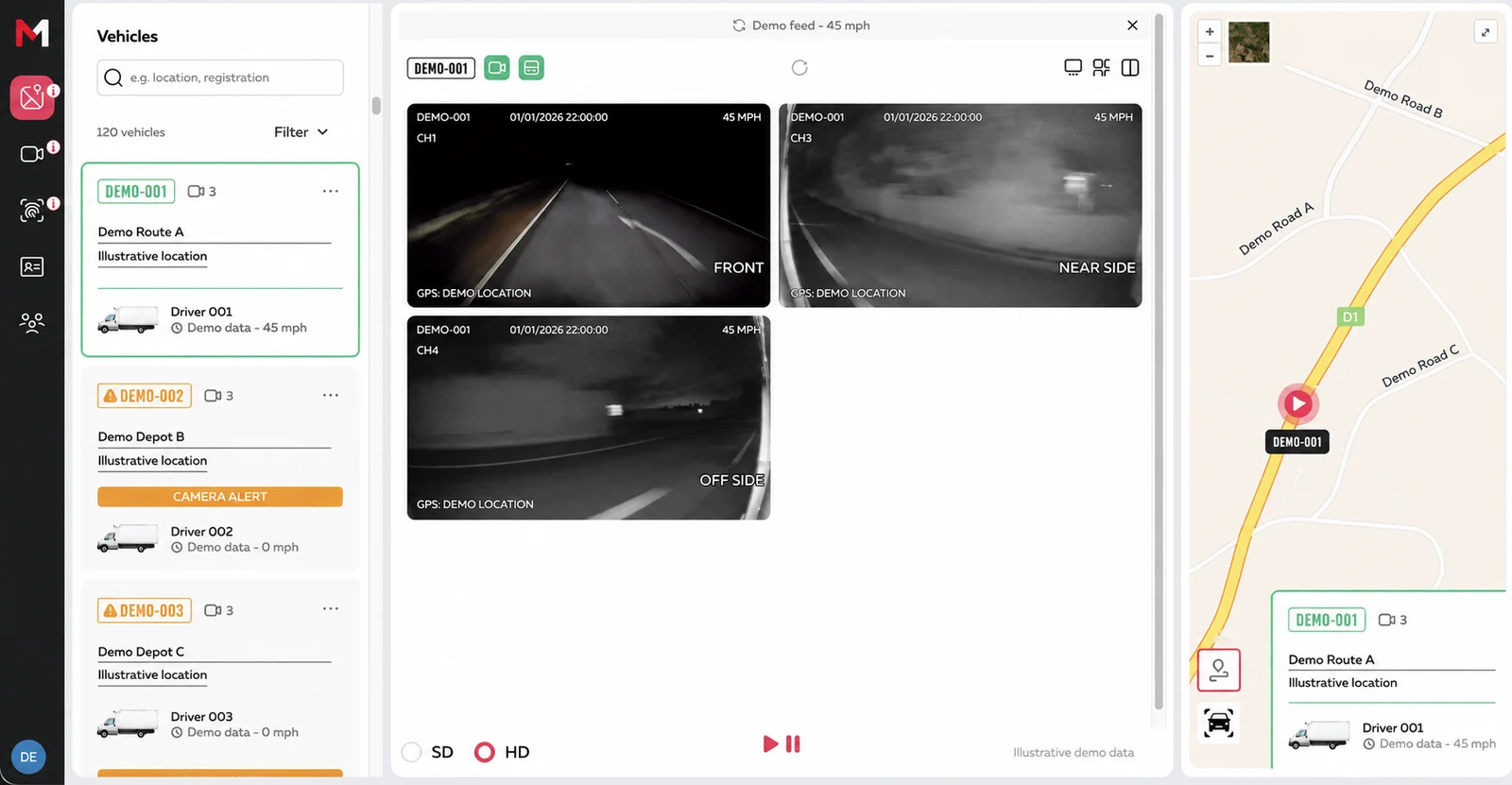
Matthew Vass, Channel Director at MANTIS, covered the video side: several angles on one incident, and patterns across a fleet that nobody would spot vehicle by vehicle.
Alex Knowles of Knowles Logistics made the point that kept the session honest. Technology only counts if it survives contact with a depot. If it takes a transport manager twenty minutes to get an answer, it stops getting used.
Mark Cartwright from National Highways brought it back to the outcome that matters, which is fewer people hurt on the road.
The question underneath
Most AI conversations in this industry are about capability. The more useful question is what a system does when it is wrong, or when it fails.
A detection you cannot check against footage is a guess with a confidence score attached. A risk score nobody reviews is a number. The value is not in the analysis. It is in whether the analysis puts the right thirty seconds of video in front of the right person soon enough for them to act on it.
Watch the full webinar
Watch the full session below: