
A dash camera is cheap, quick to fit and useful on a car. The question is where it stops being enough.
Storage, and what the hours actually mean
Dash camera specifications tend to lead with hours of footage. A hundred hours sounds like a lot, and it is, at a resolution where you cannot read a number plate.
That is the trade being made. Storage is bought with quality, and the quality you gave up is the quality you needed on the one clip that mattered. A multi-camera recorder with a terabyte of storage and modern compression does not force the same trade.
Vehicle size
On a car or a small van, a forward camera covers most of what happens. On a rigid, a coach or a mixer, it covers the one direction you are least often accused in.
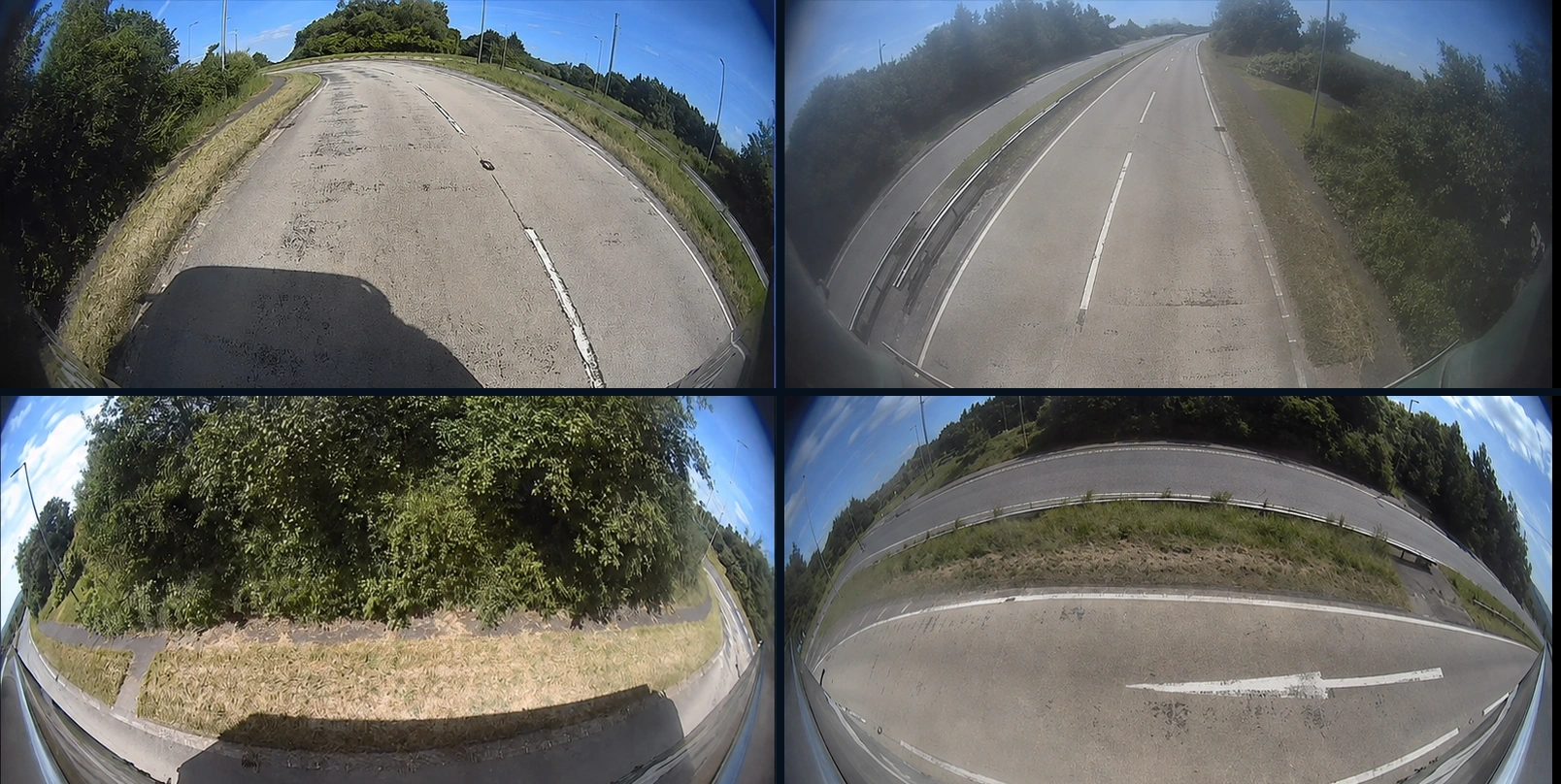
The exposure on a large vehicle is down the sides, at the rear and around the working area. Covering that takes several channels, and no single-unit dash camera has them.
What an insurer or a court can use
A forward view establishes that something happened in front of you. It rarely establishes what happened beside you, which is where cyclists, kerbs and other people’s wing mirrors are.
For fleets working to the Direct Vision Standard, the requirement is built around the whole vehicle rather than one angle.
Where each one fits
A dash camera suits a car, a small van, and a budget where simplicity matters more than coverage.
A multi-camera recorder suits a fleet, a large vehicle, or any operation where somebody has to answer a claim weeks later and cannot afford the answer to be one angle.
The thing neither spec sheet tells you
Whichever you fit, the failure mode is the same. A camera that stopped working looks exactly like one that is working, right up until you go looking for a clip. Ask how you would find out.